A Comprehensive Overview to Mastering Drywall Fixing and Setup
This guide provides a complete exploration of drywall repair and setup, catering to both beginners and skilled experts. It details necessary tools, methods for patching and hanging sheets, and the crucial ending up processes. drywall contractor. By comprehending typical challenges, individuals can accomplish polished results. Mastering these abilities not only enhances one's home yet likewise develops self-confidence in do it yourself ventures. What fundamental suggestions will ensure a successful job throughout?
Crucial Devices for Drywall Fixing and Installment
When starting on drywall repair work and installation, a couple of important tools can significantly improve the performance and high quality of the job. A drywall blade, typically available in different dimensions, is essential for using joint substance and smoothing seams. A taping knife is likewise needed for feathering edges and making certain a smooth finish. In addition, a drywall saw or utility blade enables specific cutting of drywall sheets to fit any kind of space.
Step-by-Step Overview to Patching Holes
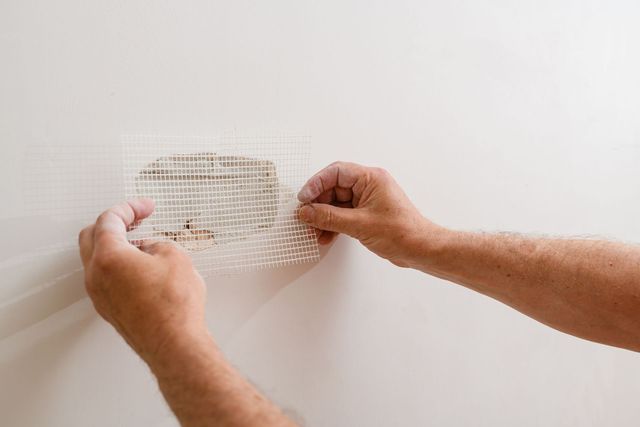
Patching openings in drywall is a simple procedure that can restore the wall's appearance and stability. To begin, the location around the hole should be cleaned up and any loose particles removed. For tiny openings, a simple spackle or joint compound can be applied with a putty blade. Larger openings may call for a patch; an item of drywall can be cut to fit the hole, protected with glue or screws, and then taped around the sides. As soon as the patch remains in area, joint substance is used over the spot and feathery out to blend with the surrounding wall. After the compound dries out, fining sand is essential to attain a smooth coating. The fixed area can be topped and repainted to match the remainder of the wall surface. This approach guarantees a seamless repair service, improving the overall appearance of the drywall and keeping its structural stability.
Methods for Hanging Drywall Sheets
After successfully repairing holes in drywall, the following step entails hanging brand-new drywall sheets to develop a smooth surface. To accomplish this, one must start by gauging the wall surface room accurately and reducing the drywall sheets to fit. It is essential to hang the sheets horizontally for far better structural stability, beginning with the top and advice working downwards.
Utilizing a drywall lift can simplify the process, especially for ceiling setups. Once positioned, safeguarding the sheets with drywall screws at intervals of concerning 12 inches along the edges and 16 inches in the field is necessary. This ensures a firm hold and lowers the risk of drooping. For edges, the sheets ought to be cut to fit well, permitting cleaner seams. It is recommended to stagger the joints between sheets to enhance the overall framework, producing a much more sturdy coating prepared for the next stage in the drywall installment procedure.
Ending Up Touches: Insulation and Mudding
Finishing the drywall installation includes the important actions of mudding and taping, which guarantee a smooth and polished finish. Insulation requires the application of joint tape over the joints between drywall sheets. drywall contractor. This tape can be either paper or fiberglass harmonize, with each type offering special benefits. After taping, the following step is mudding, where joint compound, or "mud," is applied to cover the tape and load visit this web-site any type of imperfections
Utilizing a drywall knife, the substance must be spread out equally, ensuring a feathery side to reduce noticeable modifications. Numerous coats are usually needed, with sanding in between each layer to accomplish a smooth surface area. Careful attention during this process is essential, as it significantly affects the final appearance of the wall. With the appropriate method and persistence, the end result will be a flawless foundation ready for painting or completing touches.
Common Blunders to Prevent in Drywall Projects

One more usual error is not enabling enough drying time in between layers, which can trap wetness and jeopardize the surface. Additionally, overlooking to feather Get More Info the edges appropriately can produce visible lines and flaws. Skipping sanding or using incorrect methods might leave rough areas. By understanding these pitfalls, individuals can substantially boost the high quality of their drywall tasks and achieve a professional-looking finish.
Frequently Asked Questions
Can I Fix Drywall Without Expert Help?
Yes, one can repair drywall without professional aid. With the right tools, products, and guidance, people can efficiently manage minor repair work. Substantial damages may need professional proficiency for ideal outcomes and toughness.
The Length Of Time Does Drywall Compound Take to Dry?
Drywall compound typically takes in between 24 to 2 days to dry completely, relying on elements such as humidity and temperature level. Thinner layers may dry quicker, while thicker applications call for even more time for excellent results.
What's the very best Kind Of Paint for Drywall?
The best kind of paint for drywall is usually a water-based latex paint. It gives outstanding protection, toughness, and ease of application, making it suitable for indoor wall surfaces while enabling easy cleanup with soap and water.
How Do I Avoid Mold on Drywall?
To avoid mold on drywall, guarantee correct ventilation, control humidity degrees, utilize mold-resistant materials, and immediately address any kind of leakages. Routine evaluations and instant remediation of water damages are likewise crucial for long-term prevention.
Is Drywall Recyclable After Elimination?
Drywall is recyclable after removal, provided it is cost-free from impurities like mold, paint, or other unsafe products. Reusing facilities can refine it into new products, advertising sustainability and minimizing landfill waste in construction.
When starting on drywall repair and installment, a few essential devices can substantially boost the effectiveness and top quality of the work. After successfully fixing holes in drywall, the following step involves hanging brand-new drywall sheets to produce a smooth surface. Finishing the drywall installation entails the crucial steps of taping and mudding, which ensure a smooth and polished finish. Attaining a sleek finish in drywall tasks can be difficult, and a number of common mistakes can threaten the high quality of the job. Yes, one can fix drywall without expert aid.